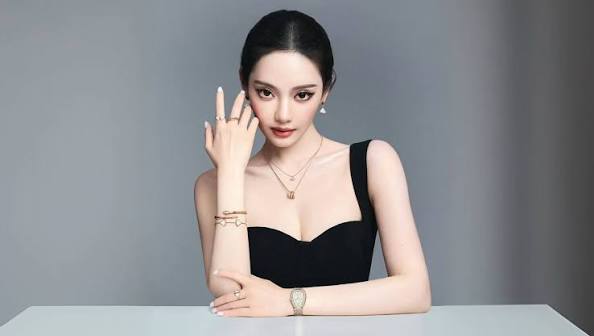
Bvlgari announced aespa member Ningning as a new ambassador on September 21.
The announcement campaign featured Ningning in pieces from the jewelry house's DIVAS' DREAM collection as well as SERPENTI jewelry and watches.
For SEEN IN KOREA, the useful part is not simply that another K-pop star has signed a luxury deal.
It is that the campaign gives us a clear example of how to separate a verified celebrity-brand relationship from fan speculation.
What is confirmed
Bvlgari publicly announced Ningning as an ambassador through its official social channels.
In the accompanying campaign images, she was shown wearing DIVAS' DREAM and SERPENTI pieces.
Those facts are strong enough to label the relationship as an official campaign/ambassadorship.
That is different from a celebrity being photographed with a product, a fan identifying an item from an airport photo, or an unverified social-media claim.
Why luxury brands keep using K-pop
K-pop artists offer global brands access to audiences that cross Korea, Japan, China, Southeast Asia, Europe and North America.
But the commercial value is most visible when the campaign connects attention to identifiable products.
In this case, Bvlgari's campaign gives shoppers specific collection names to explore.
That makes the story appropriate for SEEN ON: the relationship is verified, and the product families are identifiable.
What we still should not claim
A campaign does not prove that an ambassador personally uses a product in private life.
It also does not mean every item seen in fan photos is part of an official endorsement.
Our rule is simple:
Official campaign = confirmed campaign. Documented personal use = confirmed use. Everything else stays unconfirmed until evidence improves.
That distinction is the point of SEEN ON.