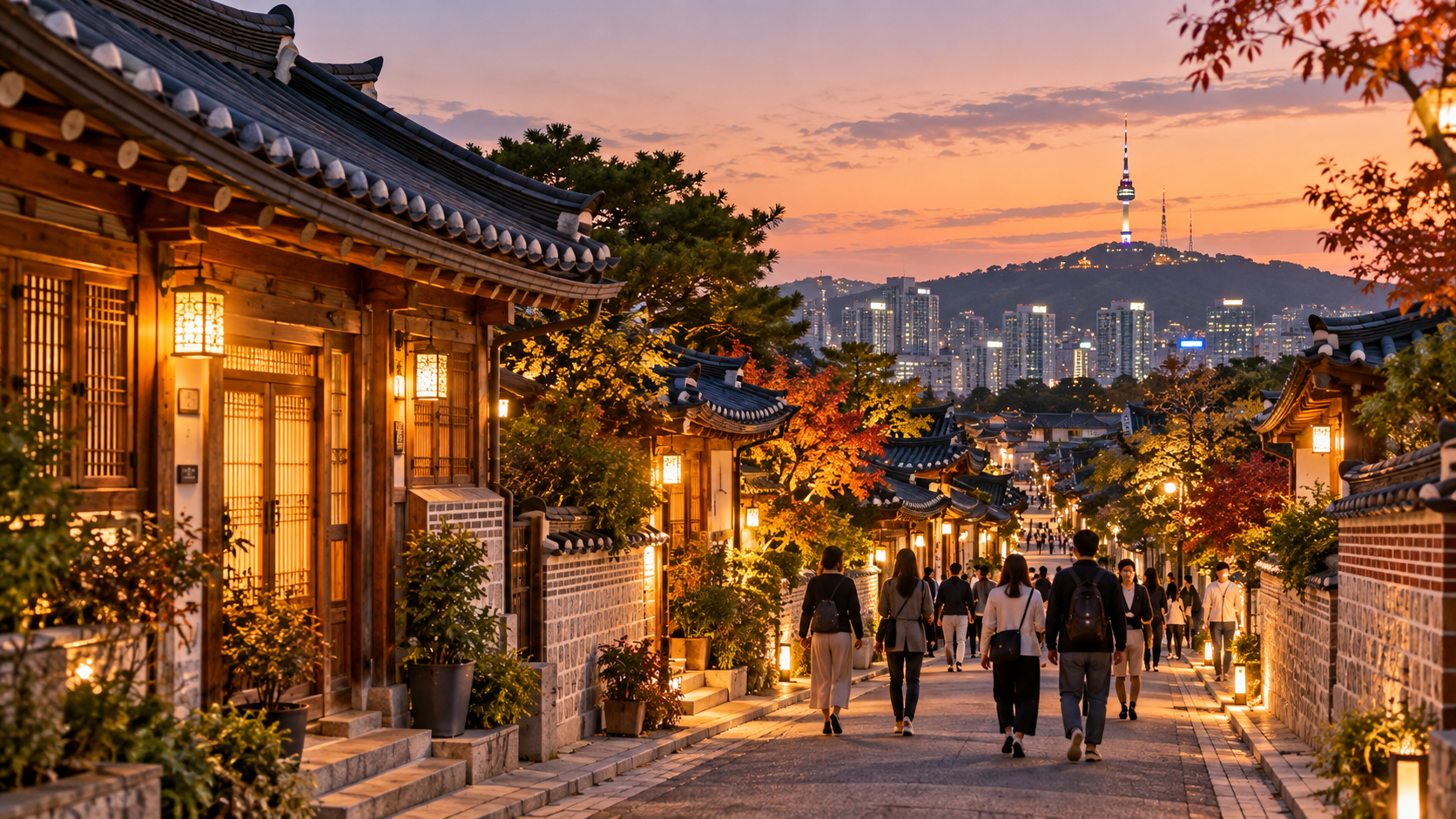
Seoul Hanok Week is back - and this year's edition is the largest yet.
From October 2 to 11, Seoul is running 82 programs across Bukchon, Seochon and other hanok areas, ranging from exhibitions and guided walks to performances, workshops and open-house visits.
For foreign visitors, the useful part is that several programs are specifically designed to be accessible in English or reserved for international participants.
3 FACTS
Oct. 2-11 - 2026 Seoul Hanok Week runs for 10 days.
82 - Programs in this year's lineup, up from 66 last year.
74,000+ - Visitors attended the festival in 2025, according to Seoul Metropolitan Government.
What is Seoul Hanok Week?
Seoul Hanok Week is the city's annual festival built around hanok, Korea's traditional houses.
But the event is not only about preserving old architecture.
This year's theme, "Daily Lives of Hanoks in Seoul," focuses on hanok as spaces people still live in, work in and adapt for modern life.
Programs include exhibitions, guided tours, workshops, performances, cultural experiences and access to spaces that are not always open to casual visitors.
The main activity areas include Bukchon and Seochon.
What can foreign visitors join?
Seoul's official English-language announcement highlights several programs specifically for foreign visitors.
One is "Seochon: Explorative Walk" at Hong Geon-ik's House on October 7, which is listed for foreigners only.
Another is the "Seoul Hanok Tour - A Walking Tour To Explore Hanoks" on October 8 and 9, also reserved for foreign participants.
The Hanok Cultural Center's traditional joinery class on October 3 is listed as open to foreigners.
Availability can change quickly because some programs require advance registration or use a lottery.
Travelers should therefore check the Seoul Hanok Portal before heading to a specific event.
What can you see without joining a tour?
The festival also includes exhibitions spread across public hanok spaces.
VISITKOREA lists six public hanok venues in Bukchon and Seochon participating in the main "Daily Lives of Hanoks in Seoul" exhibition.
The concept pairs traditional architecture with contemporary living, furniture, design and lifestyle displays.
That makes the event useful even for visitors who do not get a place on a guided program.
The point is not just to look at historic buildings from the street.
It is to see how a hanok can function as a modern interior and cultural space.
Where should first-time visitors start?
Bukchon and Seochon are the easiest starting points.
Bukchon offers one of Seoul's best-known clusters of traditional houses, while Seochon mixes hanok streets with cafes, galleries and residential areas west of Gyeongbokgung Palace.
The festival also includes selected programs in other hanok areas.
Because venues are spread out, this is not one single festival ground.
It is better to choose one or two programs and build a neighborhood walk around them.
Do you need a reservation?
For some programs, yes.
Seoul says advance reservations are handled through the city's public-service reservation system or links provided for individual events.
Open exhibitions and neighborhood activities may not require booking.
Always check the specific program page because capacity, language support and reservation rules differ.
Other useful extras
The official Seoul announcement also lists a 10% discount event at participating Bukchon hanok hotels during the festival period.
A free hiking-equipment rental program is also scheduled through the Seoul Hiking Tourism Center's Bugaksan branch.
These are secondary to the hanok programming, but they make the festival easier to combine with a broader Seoul itinerary.
WHY IT MATTERS
For international visitors, hanok neighborhoods can easily become photo stops.
Seoul Hanok Week gives travelers a better reason to go inside, join a guided program and understand how these buildings are actually used.
That turns Bukchon and Seochon from scenery into places with context.
WHAT TO WATCH NEXT
- Same-day cancellations or additional registration slots.
- Foreign-language availability for individual tours and workshops.
- Weekend crowd levels in Bukchon.
- Any weather-related changes to outdoor programs.
If you are in Seoul before October 11, this is one of the easiest ways to add a structured hanok experience to your trip.